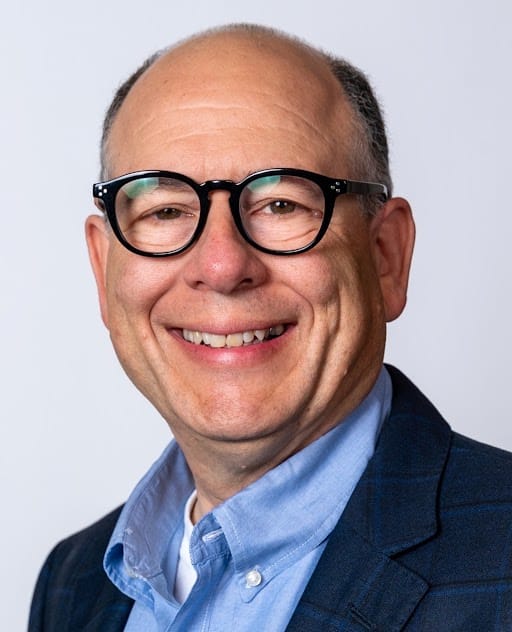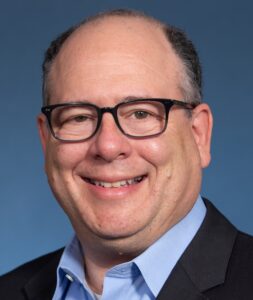
We’re proud to congratulate our Chief Strategy Officer, Ryan Bullock, on being named Chairman of the Board for the American Association for Homecare (AAHomecare). For nearly four decades, AAHomecare has served as a leading voice for the home medical equipment (HME) industry, advocating for providers, patients, and improved access to care in the home.
Aeroflow Health has been a proud member of AAHomecare for more than 20 years, and we’re excited to see Ryan take the helm and continue AAHomecare’s legacy of advocating for the Home Medical Equipment (HME) industry to protect patients’ access to care.
We sat down with Ryan to learn more about his upcoming term, his approach to advocacy, and how he plans to continue building a strong, proactive voice for the HME industry as the healthcare sector undergoes ongoing change.
As the healthcare industry faces mounting regulatory pressure, evolving reimbursement models, and rapid advances in AI, HME providers are navigating significant change.
Leading AAHomecare Through Industry Change
Q: How does it feel to be leading AAHomecare? What are your goals for the next year?
Ryan: It’s an honor to be named Chairman of an organization I’ve been a part of for so many years, and I look forward to building upon the foundation that Josh Marx, AAHomecare’s former Chairman, created over the past few years around industry engagement and state-level advocacy. Working alongside Josh as the immediate past chair, my goal is to continue broadening this engagement to ensure the HME voice is heard amongst regulators and lawmakers.
Specifically, I plan to work alongside AAHomecare’s council members to promote homecare as a cost-effective and low-spend sector of the healthcare industry. This is crucial as regulators continue their push for uncovering fraud. Right now, their focus is on the HME sector, yet we only contribute approximately 1.5% of the total Medicare spending. My goal is to advocate for clearer, more targeted guidelines that ensure oversight efforts are proportionate and effective across all sectors of healthcare, keeping patient care front of mind.
Additionally, the industry needs a voice to ensure Medicare and Medicaid programs do not lose their integrity, especially with so many changes being implemented over the past year. By partnering with legislative groups and AAHomecare’s network of organizations, I hope to create a sensible program that DME and HME providers can live within and continue to provide essential care and critical products.
Biggest Challenges Facing the HME Industry

Q: What are the biggest opportunities and risks facing the HME industry today?
Ryan: The industry is rife with regulatory uncertainty. Shifts to federal policy and a rapid aging population that relies on Medicare Advantage plans have providers adapting constantly. We are also grappling with a regulatory model that allows policymakers to ensure fraud is addressed without honest providers bearing the brunt of blunt, one-size-fits-all enforcement.
This is ultimately forcing providers to operate on a “race to the bottom” model that is negatively impacting the quality of products and services that HME suppliers can provide. How can we expect HME providers to elevate care when they are constantly being financially and operationally squeezed?
As Chairman, I see this as the biggest opportunity during my tenure. AAHomecare can help reshape regulation so that guardrails are in place to remove fraud, while simultaneously ensuring the integrity of HME programs remains and that advancements can continue. We can achieve this by working alongside the Department of Health and Human Services (HHS) and other organizations in our network. If we can encourage decision-makers to seek to understand how our industry operates, we can create a system that meets everybody’s needs.
How AI is Shaping Home Medical Equipment Providers
Q: Everyone is talking about artificial intelligence (AI). How do you see it shaping the industry over the next year?
Ryan: AI is at the forefront of our industry, especially when it comes to managing data. I think the technology will continue to allow us to evolve some of the antiquated workflows we utilize with automated processes. Specifically, I see AI updating how providers prescribe and manage prescriptions.
Despite many advancements already being implemented, HME prescriptions are still mainly sent through fax, which forces providers to manually input data and billing information into their pharmacy. This creates higher chances of discrepancies in patient data, missed billing and even fraud. AI can read, extract and categorize patient data, physician notes and insurance information to automate the prescription process, minimizing discrepancies or fraud instances.
AI also has the ability to improve the chain of custody by enabling systems to track when a physician identifies a medical necessity, all the way to when the patient receives the product they need. This improves visibility for both physicians and HME providers, enabling greater healthcare outcomes as doctors can see if a patient did or did not receive the necessary care in real-time.
The Future of Healthcare Advocacy and Patient Access
Q: What are you most optimistic about regarding the future of HME?
Ryan: Our industry has never felt more unified. More and more organizations are joining together to make change happen so that we can better serve the millions of patients we care for.
I’m confident that we can shift to a proactive voice amongst policymakers to create a system that protects patients, physicians and HME providers. I look forward to empowering our partners, and continuing to push the industry forward as Chairman of AAHomecare.
To keep up with Ryan’s term and see how the association is fighting for suppliers and patients alike, check out the AAHomecare Board of Directors page for the latest updates.