Skip to content

Written by Kristin Polson, Aeroflow Health

This content has been reviewed for accuracy by Sophie Lauver, Registered Dietitian and Board Certified Health and Wellness Coach, Aeroflow Health

Introduction 

Medical Nutrition Therapy (MNT) is a vital component in managing chronic diseases like diabetes, heart disease, and kidney disease. MNT involves evidence-based dietary counseling provided by registered dietitians (RDs), aiming to improve overall health and quality of life by addressing individual nutritional needs. This blog will guide you on how to find a qualified MNT provider, ensuring you receive the care you need for better health outcomes.

Finding an MNT Provider

1. Healthcare Provider Referral

One of the most common ways to find a qualified MNT provider is through your doctor. Request a referral to a registered dietitian (RD) who specializes in MNT. Many healthcare providers collaborate with dietitians to manage chronic conditions such as diabetes and heart disease. Medicare, for example, covers MNT for patients with diabetes and chronic kidney disease under Part B, but a doctor’s referral is required​.

2. Insurance Provider Directory 

Another essential step is to check your insurance provider’s directory for in-network MNT providers. Most insurance plans, including Medicare and Medicare Advantage plans, provide coverage for MNT services, but working with an in-network RD helps minimize out-of-pocket costs. You can find a list of participating dietitians through your insurance company’s website or by calling their customer service.

3. Online Directories 

For a broader search, online directories are available to help locate qualified dietitians. The Academy of Nutrition and Dietetics offers a tool called Find an RD that allows you to search for credentialed dietitians by location and specialty. This platform provides contact information, specialties, and service details of licensed dietitians​.

4. Local Hospitals or Clinics 

Many hospitals and community clinics offer MNT services either through in-house RDs or by referring you to partnered dietitians. Contact your local healthcare facility and ask if they offer MNT or can provide a referral to a qualified professional in your area. Hospitals are often a reliable source for finding dietitians specializing in chronic disease management​.

Factors Affecting Access to MNT

1. Geographic Location 

Access to MNT services can vary widely depending on where you live. In rural areas, you might have fewer options for in-person MNT services due to limited healthcare resources. However, telehealth services can help bridge this gap, offering virtual MNT consultations from the comfort of your home​.

2. Insurance Coverage 

Not all insurance plans cover MNT equally. While Medicare provides coverage for certain conditions like diabetes and kidney disease, other conditions, such as obesity or cardiovascular disease, might not be covered by all plans. Check your insurance policy to understand what MNT services are available and any requirements like referrals or prior authorizations​. Also look into the availability of preventative healthcare benefits for plans that follow the Affordable Care Act without a patient cost-share, allowing patients greater access to vital services for disease prevention, like MNT.

3. Payor Requirements 

Insurance plans, including Medicare and private insurers, may have specific requirements before approving MNT services. For example, you may need a referral from a healthcare provider or a confirmed diagnosis of a condition that qualifies for MNT coverage​. 

Telehealth MNT Services

Telehealth is becoming an increasingly popular way to access MNT, especially for those living in remote or underserved areas. Virtual consultations with registered dietitians allow patients to receive expert dietary advice without the need for travel. To find telehealth MNT providers, check your insurance directory or explore online platforms like the Academy of Nutrition and Dietetics’ Find an RD tool, which offers telehealth options for many dietitians.

Tips for Choosing an MNT Provider

1. Credentials 

Ensure that the provider is a registered dietitian (RD) with specialized training in Medical Nutrition Therapy. This credential ensures they have the expertise to create tailored nutrition plans for managing chronic diseases​. 

2. Experience 

Look for dietitians with experience in managing your specific condition. For example, if you are seeking MNT for diabetes, working with a dietitian who specializes in diabetes care ensures you receive the best possible advice​. 

3. Communication Style 

It’s crucial to work with a provider who communicates clearly and with whom you feel comfortable. Nutrition counseling is a collaborative process, and having a good rapport with your dietitian will lead to better outcomes​. 

4. Insurance Coverage 

Always verify that the provider accepts your insurance plan to minimize out-of-pocket expenses. Working with an in-network RD can significantly reduce costs. 

Conclusion 

Finding a qualified MNT provider is crucial to managing chronic diseases effectively. By following these steps—seeking a healthcare provider referral, using insurance and online directories, considering telehealth options, and selecting a qualified, experienced dietitian—you can find the right professional to help you on your health journey. Medical Nutrition Therapy can improve your health outcomes and quality of life, so take proactive steps today to find the care that best suits your needs.

Sources:

Qualify Today for Our Nutrition Program!

Written by Kristin Polson, Aeroflow Health

This content has been reviewed for accuracy by Sophie Lauver, Registered Dietitian and Board Certified Health and Wellness Coach, Aeroflow Health

Introduction

Medical Nutrition Therapy (MNT) plays a crucial role in managing chronic diseases by providing personalized nutrition plans to improve overall health outcomes. For individuals dealing with conditions like diabetes or chronic kidney disease, MNT helps to control symptoms and prevent further complications. This blog explores whether Medicare covers MNT and how beneficiaries can access this important service.

Medicare Coverage for MNT

Medicare Part A (Hospital Insurance)

Medicare Part A typically covers Medical Nutrition Therapy during inpatient hospital stays. If you are hospitalized and require MNT as part of your treatment for a chronic condition, Medicare Part A may cover the costs of these services, provided that they are administered by a registered dietitian (RD) or qualified healthcare professional. This is especially common for patients recovering from surgery or managing complications related to diabetes or kidney disease.

Registered Dietitians (RDs) in Hospitals: During your stay in the hospital, a registered dietitian may be part of your care team. They will help you manage your diet and provide essential education on how proper nutrition can aid in recovery and long-term disease management.

Medicare Part B (Medical Insurance)

Medicare Part B covers outpatient MNT services. To be eligible, you must have a referral from your doctor, and MNT must be deemed necessary for managing specific chronic conditions. Coverage typically applies to the following health issues:

  • Diabetes: Both Type 1 and Type 2 diabetes are qualifying conditions for MNT under Medicare Part B.
  • Chronic Kidney Disease (CKD): Patients with CKD or those who have had a kidney transplant in the last 36 months may also qualify for MNT.
  • Other conditions: While diabetes and CKD are the most common conditions covered, some patients with cardiovascular diseases may also receive MNT services, though coverage might vary. (Home | Explore Medicare)

Under Part B, Medicare typically covers up to three hours of MNT counseling in the first year and two hours in subsequent years. If your health condition changes, or if your doctor determines that additional counseling is needed, you may be eligible for more hours.

Medicare Advantage Plans

Medicare Advantage (Part C) plans offer an alternative way to access MNT, often providing additional benefits beyond what Original Medicare covers. Many plans integrate MNT services with wellness programs, health coaching, and disease management tools.

If you need long-term MNT or have a health condition not covered by Original Medicare, a Medicare Advantage plan may offer expanded benefits.

Requirements for MNT Coverage

To ensure Medicare covers your MNT services, certain requirements must be met:

Referral from a Doctor

You must have a referral from your doctor (MD or DO) for MNT services. This referral is essential to demonstrate that MNT is medically necessary for managing your condition.

Diagnosis of a Qualifying Condition

Medicare Part B primarily covers MNT for patients with diabetes or chronic kidney disease. Your doctor will need to confirm that you have a qualifying condition to receive coverage.

Registered Dietitian (RD) Services

To qualify for coverage, the MNT services must be provided by a registered dietitian or a licensed nutritionist. These professionals are trained to develop personalized nutrition plans that cater to your individual health needs, ensuring better disease management.

Additional Considerations

Local Coverage Determinations (LCDs)

It’s important to note that MNT coverage may vary based on Local Coverage Determinations (LCDs). These are rules set by local Medicare contractors that specify how certain services are covered in specific regions. Check with your local Medicare office or the official Medicare website to learn about LCDs in your area.

Appealing Denials

If Medicare denies coverage for your MNT services, you have the right to appeal the decision. This process typically involves working with your doctor and providing additional information to show that the therapy is necessary for managing your health condition.

Cost-Sharing

While Medicare covers most of the cost of MNT services, there may still be some out-of-pocket expenses, such as copayments or deductibles. It’s important to review your Medicare plan details to understand any potential cost-sharing responsibilities.

Complementary and Alternative Therapies

Medicare generally does not cover complementary or alternative therapies related to nutrition, such as herbal supplements or naturopathic consultations. However, some Medicare Advantage plans may offer wellness benefits that include such services.

Conclusion

Medicare offers comprehensive coverage for Medical Nutrition Therapy under specific conditions, such as diabetes and chronic kidney disease. Whether you are enrolled in Original Medicare or a Medicare Advantage plan, MNT is a valuable service that can help manage chronic conditions, improve your health, and lower healthcare costs.

If you think you could benefit from MNT, speak with your doctor about obtaining a referral and check with your Medicare or Medicare Advantage plan to see what services are covered. MNT is not just a treatment; it’s an important preventive strategy that can greatly enhance your quality of life.

For more details on Medicare’s coverage of MNT, you can explore additional resources from MedicareFAQ and Medigap.com​(MedicareFAQ)​(Medigap.com).

Qualify Today for Our Nutrition Program!

Written by Kristin Polson, Aeroflow Health 

This content has been reviewed for accuracy by Sophie Lauver, Registered Dietitian and Board Certified Health and Wellness Coach, Aeroflow Health

Introduction

Medical Nutrition Therapy (MNT) is a therapeutic approach to treating medical conditions and their associated symptoms through a tailored diet, administered by a Registered Dietitian (RD). MNT plays a crucial role in managing chronic diseases such as diabetes, cardiovascular disease, and obesity by addressing the root causes of poor health through nutrition. In addition to managing existing conditions, MNT is a powerful preventive care strategy that promotes long-term health and helps prevent the onset of many chronic diseases.

The Benefits of MNT

MNT has been proven to be effective in addressing a wide range of health conditions. For patients with diabetes, MNT helps control blood glucose levels, while for those with heart disease, it can focus on reducing cholesterol and managing blood pressure. Patients who are overweight or obese benefit from weight management strategies that promote sustainable lifestyle changes. Research shows that MNT can significantly reduce the risk of complications, improve overall health outcomes, and enhance the quality of life for individuals managing chronic conditions.

Medical Nutrition Therapy For Diabetes

MNT is essential for people with diabetes, as it involves personalized dietary planning and guidance from a registered dietitian to manage blood glucose levels and overall health. MNT helps individuals learn how foods impact their blood sugar, allowing them to make informed choices about carbohydrate intake, portion control, and meal timing, all crucial for maintaining stable blood glucose levels. Research has shown that MNT can significantly reduce A1C levels in patients with both Type 1 and Type 2 diabetes, which lowers the risk of complications such as heart disease, kidney disease, and nerve damage. Additionally, MNT promotes weight management and a healthier lifestyle, further improving insulin sensitivity and metabolic health for those living with diabetes. By following a eating plan tailored to their individual health needs, patients are empowered to take control of their diabetes management, often reducing their reliance on medications and lowering long-term healthcare costs.

Moreover, MNT offers significant cost savings for both patients and the healthcare system by reducing emergency room visits, hospital admissions, and long-term healthcare expenditures. Proper management of chronic diseases through diet can lead to better disease outcomes, minimizing the need for costly interventions down the road.

Additional Potential Benefits

  • Reduced blood glucose/A1C
  • Weight loss
  • Reduced risk of heart disease and stroke
  • Reduced cholesterol
  • Reduced blood pressure
  • More energy
  • Increased confidence

The Role of Registered Dietitians (RDs)

Registered Dietitians are highly qualified healthcare professionals specializing in nutrition and dietetics. They are certified to provide MNT and have the expertise to assess individual dietary needs, medical history, and lifestyle factors to create a personalized nutrition plan. Despite misconceptions, RDs are much more than “nutritionists.” They undergo rigorous education, clinical training, and certification to provide effective and evidence-based care.

RDs play a pivotal role in debunking myths about restrictive diets and negative perceptions about healthy eating. They offer tailored solutions for each patient’s unique health condition, empowering them to make informed decisions that lead to better health outcomes. Working with an RD ensures patients receive expert care that aligns with their medical needs and health goals.

MNT as a Preventive Care Strategy

Preventive care is an essential aspect of reducing the burden of chronic diseases, and MNT is an effective tool in achieving this. By addressing nutritional deficiencies early and promoting healthy eating habits, MNT helps to prevent the development of diseases like diabetes and heart disease. For example, an RD might work with a patient at risk for diabetes to adopt a balanced diet that controls blood sugar, reducing their likelihood of developing the disease.

Over the long term, MNT can lead to improved health outcomes and lower healthcare costs, as patients who maintain good nutrition are less likely to develop costly chronic conditions. This preventive approach not only benefits the patient but also alleviates strain on the healthcare system.

Incorporating MNT into Health Plans

Offering MNT as part of a comprehensive health plan can fill critical gaps in care. Many physicians do not have the time or level of expertise to understand the dietary patterns of their patients. Health plans that incorporate MNT can expect improved member satisfaction due to better disease management, healthier outcomes, and increased engagement in personal health. MNT also addresses common care gaps by providing an ongoing, holistic approach to managing chronic diseases, rather than relying solely on medication or surgery.

When selecting MNT providers, health plans should look for qualified Registered Dietitians who can integrate MNT services with other aspects of care. Streamlining MNT into existing offerings can help create a cohesive healthcare experience for members.

Conclusion

Medical Nutrition Therapy is a powerful tool in preventive care and chronic disease management. By addressing the root causes of poor nutrition and promoting healthier lifestyles, MNT can significantly improve health outcomes and reduce long-term healthcare costs. For health plans, incorporating MNT services offers a way to provide comprehensive care, improve patient satisfaction, and fill gaps in chronic disease management. MNT should be a key component of any forward-thinking healthcare strategy focused on long-term patient well-being.

Learn More About Our Nutrition Program Today!

This content has been reviewed for accuracy by Mike Cantor, Chief Medical Advisor at Aeroflow Health.

The Society for Women’s Health Research estimates that 1 out of every 5 women has sleep apnea. The majority—9 out of 10—are unaware of their condition and their increased risk for serious health conditions. Dive into our blog inspired by our webinar, “Why Addressing Sleep Health In Women Matters,” to delve into the multifaceted aspects of sleep health, with a particular focus on understanding and addressing the challenges faced by women. For more comprehensive insights, you can watch a playback of the webinar here.

Table of Contents

Is sleep apnea a different disease in women than in men? Does the interpretation of symptoms differ in women compared to men?

Dr. Matsumura: According to a recent study by Psychology Today, 1 in 4 women is at high risk for sleep apnea, and 90% of women living with a sleep-disordered breathing disorder are undiagnosed. Sleep apnea definitely does present differently in women than it does in men. Women tend to have disrupted sleep; they may have more fragmented sleep and generally feel more fatigued. They don’t generally have the snoring or as many apneas. In turn, when women present with sleep apnea diagnostically on tests, they tend to have more arousals than oxygen desaturations, which is one of the ways that we score and interpret sleep studies. 

Data shows that as we get older, the prevalence rates for sleep apnea tend to go up. There is still a disparity in the difference of the prevalence of sleep apnea among men and women by age group. Why do we see this as people get older?

Dr. Weiss: This is a very important point from the research perspective because we know that changes in the prevalence and the symptoms of obstructive sleep apnea in women as they get older are likely sex hormone dependent. So, post-menopausal women are more likely to have obstructive sleep apnea due to changes in estrogen and progesterone. Also, we see changes in the anatomical position of the airway in women as they age and enter different stages of life. For example, pregnancy, postpartum, and menopause all affect sleep in women differently and sometimes can cause obstructive sleep apnea. Just like Dr. Matsumura said, the symptoms in these scenarios are not typical or what you would call “textbook” obstructive sleep apnea.

If the signs of sleep apnea in women are different in that they are more likely to have mild instead of moderate to severe sleep apnea, does this impact their ability to access PAP devices and/or other therapies?  How do health plan coverage policies account for the differences in the way symptoms of sleep apnea in women present themselves compared to men?

Dr. Plenzler: If we really think about what health plans and their vendor partners do in terms of approving home studies or attending studies, the guidelines typically filter down from the Centers for Medicare & Medicaid Services (CMS), which is Medicare. CMS, Local Coverage Decisions (LCDs), and National Coverage Decisions (NCDs) are fed by the AASM and others, but the LCDs and NCDs are old; they are 10-15 years old, and in my opinion, they’ve not kept up with the times. LCDs and NCDs determine what CMS will or will not cover under insurance.  Ultimately, the use of the LCD is more appropriate for given areas based on who their overarching management company is, but that dictates how many units of CPAP are paid for, how much is paid for CPAP masks, sleep studies, oxygen, and more. This is an issue. Then, the second piece, back to Dr. Matsumura’s point about clinical judgment, a female that comes in with insomnia and restless legs on the screen but is more obese or is more likely to have sleep apnea, frankly, a home study may be more appropriate but if they aren’t obese or if they don’t have the presentation that a home study would be more appropriate, then maybe an attended study would be better. We don’t have the delineation in the guidelines for these types of scenarios yet. 

Dr. Weiss: To add to that, as we’ve said before, symptoms in women aren’t always presenting the same as they would in men. The screening tools we have available may not be able to capture those atypical symptoms. Looking at different ethnicities is also important to note. There are anatomical and cultural differences to consider. For example, African Americans and Asians with differing anatomy for breathing upper airways like the nose and neck can present different symptoms than others, especially postmenopausal.   

What changes, if any, should health plans consider to their coverage policies to make them more equitable for women?

Dr. Plenzler: So, we’ve already mentioned that the one-size-fits-all approach to CPAP masks needs to be reconsidered and that the coverage guidelines need to take a look into the latest research around the differences in people diagnosed with sleep apnea. I know that the American Academy of Sleep Medicine is always looking at its guidelines and has practice parameters and work groups for making updates, but I don’t think it always translates fast enough. Sadly, CMS is even slower. I think at the end of the day, the way PAP policies read today, there’s a pretty wide spectrum. If you have at least mild sleep apnea and other symptoms, there are ways to get PAP coverage. In terms of coverage, as long as the health plan covers PAP and the patient meets the guidelines, the PAP is covered. However, we also know that adherence to therapy is highly dependent on many factors. Generally speaking, the more severe the sleep apnea, the more compliant a patient is. Milder symptom patients typically struggle more with compliance. As far as the coverage guidelines and payment models, I would like to see some kind of coverage for supporting PAP use. There used to be a code for this, but it went away. The idea is that these PAP machines have tons of technology. They download data that nobody else in medicine can dream of, but we don’t do much with it other than look at how many hours it was used. I’d love for data like flow limitations to be reported. Long story short, I think change is coming, but it is painfully slow.  

As you think about the challenges of managing sleep apnea in women, what gives you hope for the future, and what keeps you up at night and fearful that things are not changing?

Dr. Weiss: Seeing the diverse workforce in the research and clinical settings is giving me hope right now. They are driving the change as they look more into gender-specific and racial ethnicity-specific questions related to sleep. What keeps me up at night is the Social Determinants of Health (SDoH) and how this impacts access to healthcare.

Dr. Plenzler: The hopeful piece for me is the increased awareness and knowledge. As we move towards value-based care and really have payment models focused on outcomes, the huge glaring hole in that piece of the puzzle is this topic of sleep, which we spend a third of our life doing.  It’s very overlooked right now, and this plays into what’s keeping me up at night. The other part of my fear is that health plans are laser-focused on saving money and aren’t placing enough value on sleep. We have to have a better understanding of the value of sleep and how it impacts all aspects of health. 

Dr. Matsumura: What is giving me hope is that there is more awareness. For instance, these types of webinars are where we are educating people. There are more women in healthcare as well, and as they age, they ask questions that lead to an explosion of deeper research. What keeps me awake at night is the lack of action to move and do something about all of the awareness and knowledge. It’s moving at a glacial pace. It’s not happening fast enough. As I age, I wonder if by the time I am at the end of my bell-curve is when this change will actually happen. There is a level of dismay and hope here. The issue is that insurance companies play too big of a role in making these types of decisions, and the country has lost its focus on what actually matters when taking care of people. Insurance companies have such a stronghold dictating decisions in healthcare and what happens. The premise around developing guidelines is excellent in theory, but how it’s being practiced right now is not helpful.

To learn more about Aeroflow Health’s Sleep Solutions, click the button below.
Picture of Michael Cantor, M.D.

Michael Cantor, M.D.

Dr. Mike Cantor is a geriatrician and attorney who has extensive experience designing and implementing value-based care, quality improvement, and care management programs for healthcare providers and health plans. He works as a fractional (part-time) Chief Medical Advisor for Aeroflow Healthcare, Uber Health, and other technology-enabled health services companies, value-based care organizations and digital health companies. Previous roles include: CMO for Bright Health Plan, an innovative health
insurer; CMO for CareCentrix, a leading outsourced home health, durable medical equipment, and post- acute care benefits manager recently acquired by Walgreens; and CMO for the New England Quality Care Alliance (NEQCA), the physician network affiliated with Tufts Medical Center, where he implemented network-wide quality improvement and care management programs for 150,000 managed care lives. He trained in internal medicine at Beth Israel Hospital in Boston and did his geriatrics fellowship at Harvard Medical School. He has degrees in law and medicine from the University of Illinois.

Picture of Carleara Weiss, Ph.D., MS, RN - Scientific Advisor at Aeroflow Sleep

Carleara Weiss, Ph.D., MS, RN - Scientific Advisor at Aeroflow Sleep

Dr. Weiss has over fifteen years of experience as an Adult-Geriatric Nurse Specialist, with a Master's in Science of Health Care and a Ph.D. in Nursing, focusing on Behavioral Sleep Medicine and Circadian Rhythms. Originally from Brazil, Dr. Weiss earned a Bachelor's in Nursing Science and a Bachelor's in Education and completed her medical-surgical & geriatric training and Master's degree at the Federal Fluminense University, Rio de Janeiro. After eight years as Assistant Professor and Clinician overseeing adults and older adults in hospitals, nursing homes, hospices, and private practice, Dr. Weiss moved to the United States, where she earned a Ph.D. and Postdoctoral training in sleep and circadian rhythms at the State University of New at Buffalo.
With a background in doula services and midwifery, Kiera brings a unique perspective to her position, informing her meticulous approach to managed care. Her responsibilities include negotiating contracts, managing credentialing processes, and fostering strong relationships with health plans, all aimed at optimizing operational workflows and service delivery.

Picture of Steven Plenzler, PhD, D, ABSM, Product Management Principal and Sleep Product Owner, Evernorth Home-Based Care

Steven Plenzler, PhD, D, ABSM, Product Management Principal and Sleep Product Owner, Evernorth Home-Based Care

Steven is a dynamic problem solver with a unique healthcare background, dedicated to delivering creative solutions. His goal is to help health plans and other organizations achieve cost savings while ensuring medically necessary procedures and improving care and clinical outcomes for their members. He is passionate about applying scientific evidence for comorbid medical diseases, such as sleep apnea, heart disease, diabetes, and obesity, to develop innovative solutions that address these conditions effectively.

Picture of Andrea Matsumura, MD, MS, FACP, FAASM Internal Medicine/Sleep Medicine Physician

Andrea Matsumura, MD, MS, FACP, FAASM Internal Medicine/Sleep Medicine Physician

Andrea Matsumura, MD, MS, FACP, FAASM, attended medical school at The University of Texas Health Science Center in San Antonio. She moved to Portland, Oregon, for her residency in Internal Medicine. She was an Internal Medicine Physician with Northwest Permanente for 13 years before entering her fellowship in Sleep Medicine. She attended Oregon Health and Science University as a fellow in Sleep Medicine and, upon completion of her fellowship, became a partner at The Oregon Clinic in Pulmonary, Critical Care, and Sleep Medicine. During her tenure there, she expanded sleep services by opening up a durable medical equipment service line, a second sleep center, and expanded home sleep services. She has become a sought-after expert on women and sleep. She is currently the Medical Director/Director of Program Development for Cascadia Health in Portland, Oregon. Currently, she is a member of the American Academy of Sleep Medicine’s (AASM) diversity, equity, and inclusion (DEI) committee, as well as the AASM’s public awareness task force leader for the Sleep is Good Medicine campaign. In addition, she is a member of the JEDI committee (justice, equity, diversity, and inclusion) for the OMA (Oregon Medical Association), the goal of which is to review and guide the activities of the OMA through this lens. She is on the executive board of the OMA’s foundation (OMEF), which supports and mentors medical and physician assistant students.
Dr. Matsumura describes herself as a holistic Sleep Medicine physician since the entire mind and body are affected by poor quality or lack of sleep. She enjoys public speaking about all things related to sleep and specifically how sleep apnea symptoms in women pertain to women’s health. She has been a guest speaker for the American Academy of Sleep Medicine, Providence hospital system, numerous podcasts, and has been quoted in several articles about sleep and wellness. Her passions are working and helping others understand that sleep is the most underutilized elixir of health, raising public awareness, and educating women about their sleep through every stage of life. Sleep is arguably the most underrated performance enhancer for all aspects of life.

References

SleepTest.com. (n.d.). Gender differences in obstructive sleep apnea. https://www.sleeptest.com/blog/post/gender-differences-in-obstructive-sleep-apnea

Michael J. Breus, Ph.D. (2019, June 26). New Findings on Sleep Apnea in Women. Psychology Today. Retrieved August 26, 2024, from https://www.psychologytoday.com/us/blog/sleep-newzzz/201906/new-findings-on-sleep-apnea-in-women#:~:text=An%20estimated%2090%20percent%20of,are%20living%20with%20it%20undiagnosed.&text=The%20classic%20symptoms%20of%20sleep,choking%2C%20snorting%20sounds%20during%20sleep


We’re thrilled to announce that Aeroflow Health has been awarded the prestigious Great Place to Work® Certification, underscoring our commitment to fostering a supportive, inclusive, and empowering workplace culture. This recognition isn’t just a badge – it’s a testament to the heart, drive, and dedication that our team members bring each day. Receiving this certification reflects our unwavering focus on creating an environment where employees feel valued, respected, and motivated.

At Aeroflow, we’ve always understood that our people are at the core of everything we do. “Our team makes Aeroflow what it is, and earning the Great Place to Work Certification is a proud moment that truly belongs to each of them.” says Casey Hite, CEO of Aeroflow Health. Aeroflow understands that a great workplace is built from real-time feedback, respect, and a shared commitment to excellence. We strive daily to provide a workplace where team members can thrive, grow, and feel supported. The certification process for Great Place to Work® relies heavily on employee insights and the culture they experience every day. Achieving this honor signifies that our efforts to prioritize employee experience truly resonate across the company.

What the Great Place to Work Certification® Means

Great Place to Work® is the global authority on workplace culture, employee experience, and leadership behaviors. This certification is more than a stamp of approval; it represents our team’s unified commitment to creating a culture rooted in collaboration, trust, and opportunity. As Sarah Lewis-Kulin, Vice President of Global Recognition at Great Place to Work®, shares, “Great Place to Work Certification is a highly coveted achievement that requires consistent and intentional dedication to the overall employee experience. By successfully earning this recognition, it is evident that Aeroflow Health stands out as one of the top companies to work for, providing a great workplace environment for its employees.”

This certification speaks to our employees’ high regard for Aeroflow as a workplace that values their well-being, fosters growth, and empowers everyone to contribute meaningfully. According to Great Place to Work research, employees at certified workplaces are twice as likely to be paid fairly, share in the company’s success, and have a fair chance at advancement. They’re also 93% more likely to look forward to coming to work each day. Earlier this year, Aeroflow Health announced its Family Forward NC Certification that further speaks to Aeroflow’s dedication to its employees’ parenting journeys, a healthy work-life balance, and family-friendly workspaces. 

According to Marshall Staton, Director of Human Resources at Aeroflow, “As an organization, we believe that creating a meaningful workplace culture begins with listening to our people and fostering an environment where every team member feels valued and empowered to thrive. Achieving the Great Place to Work Certification is a testament to our employees’ dedication to one another and our leadership’s commitment to making Aeroflow a place where everyone has the opportunity to grow, succeed, and truly enjoy their work. We’re proud of this accomplishment and are inspired to keep elevating the employee experience each day.” 

"As an organization, we believe that creating a meaningful workplace culture begins with listening to our people and fostering an environment where every team member feels valued and empowered to thrive. Achieving the Great Place to Work Certification is a testament to our employees' dedication to one another and our leadership's commitment to making Aeroflow a place where everyone has the opportunity to grow, succeed, and truly enjoy their work. We’re proud of this accomplishment and are inspired to keep elevating the employee experience each day."

A Culture of Innovation and Employee Engagement

From competitive benefits to career growth opportunities and a collaborative atmosphere, Aeroflow is committed to listening to our team members and taking actionable steps to support their personal and professional growth. This certification validates the impact of our core values and strengthens our resolve to improve our culture and workplace experience continuously.

Our achievements, including this recognition, would not be possible without the incredible contributions of each Aeroflow team member. Every employee, from each department and every level, has played a role in shaping a culture that enables us to make a lasting impact on our patients and community.

Looking Forward

We are excited to build on this momentum and continue prioritizing our employee experience. We invite those looking to grow with a supportive, innovative, and committed team to consider joining us.

Are you ready to be part of a team where people matter? Look at our career page to learn more about open positions at Aeroflow and join a workplace where culture and collaboration truly come first.

For those interested in learning more about our Great Place to Work Certification, check out more details here.
Picture of Written by Joy Payne

Written by Joy Payne

Joy is the Senior Content Coordinator at Aeroflow Health. With over a decade of experience in bringing brand stories to life, Joy has a profound appreciation for the power of storytelling.

As a graduate of Western Carolina University with a bachelor's degree in English: Professional Writing, Joy has actively contributed to various publications, including Grit & Virtue, AdventHealth's Experience Magazine, and Thryve Mag. Through her work, she has demonstrated a keen eye for expressing unique perspectives that resonate with audiences and elevate brand voices.

In her free time, Joy enjoys driving along the Blue Ridge Parkway, writing songs, and discovering the best coffee spots in town. Her diverse experiences and commitment to shining a light on meaningful stories underscore her expertise in the field.
Written by Casey Hite, CEO at Aeroflow Health

At Aeroflow Health, Diversity, Equity, and Inclusion (DEI) are foundational principles that guide our commitment to creating a workplace where everyone feels valued, respected, and empowered to be their authentic selves. DEI is more than just a strategy for us—it’s woven into the fabric of our company culture, where the voices of all employees, especially those from marginalized groups, are heard and supported. Our goal is to ensure that every individual feels safe and supported to bring their true selves to work every day. DEI isn’t just a policy; it’s a promise to our people. According to Marshall Staton, Director of Human Resources at Aeroflow Health, “Employee Resource Groups (ERGs) were a vital addition to our DEI strategy because they create spaces where individuals with shared backgrounds and experiences can connect, foster belonging, and amplify underrepresented voices. By empowering employees to lead these groups, we aimed to build a more inclusive workplace, where diverse perspectives are not only heard but valued. Our goal is to ensure every employee feels seen, supported, and able to contribute fully to the success of our organization. Through ERGs, we hope to drive cultural awareness, professional development, and a sense of community across all levels of the company.” 

Creating an Inclusive Workplace

Aeroflow’s inclusive culture is built on a commitment to ensuring that all employees feel a sense of belonging. One of the ways we’ve embraced this commitment is through our Employee Resource Groups (ERGs). For example, Out Health, one of our six ERGs plays a critical role in giving a voice to those who may otherwise feel unheard. These groups provide not only a safe space for employees to express themselves but also a direct line to leadership to address key issues. Kathleen Burke, Senior Customer Experience Representative for Aeroflow’s Mom & Baby team, says “ERGs are a benefit that most companies probably would not even think about. But I think it’s great because it encourages a community feeling when we are working remotely.”

Through Aeroflow Health’s ERGs, Aeroflow employees are empowered to be their true selves. Whether by addressing discriminatory incidents or shaping policies to protect employees, Aeroflow is creating a culture where authenticity is celebrated. ERGs like Out Health are actively collaborating with other company ERGs to tackle important issues, such as mental health, LGBTQ+ parenting, and neurodivergence, demonstrating how these groups work together to uplift the entire workforce.

The Impact of DEI Initiatives in Healthcare

Aeroflow’s DEI initiatives have had a significant impact on employee satisfaction and engagement. Employees who participate in ERGs and DEI efforts report feeling more connected and supported within the company. For many, being able to bring their full selves to work has fostered not only a sense of belonging but also increased professional confidence.

“Being a part of Out Health has truly been transformative for me,” shares Mike Edwards, Customer Account Representative for Aeroflow Urology. “Aeroflow has empowered me to be an out, gay male at work, and with the support of my ERG, I’ve been able to help lead initiatives that make sure everyone has a voice. Knowing that I can be myself and that Aeroflow stands behind me is a feeling I wish everyone could experience.”

In addition, Aeroflow’s DEI initiatives have also driven meaningful policy changes. For example, after addressing issues of discrimination, Aeroflow is now working with HR to create standardized anti-discrimination procedures across all departments. This codification ensures that all employees are protected, supported, and treated fairly, reinforcing our culture of inclusivity.

Challenges and Opportunities

Like any organization, Aeroflow faces challenges in implementing DEI initiatives. Mike Edwards shares, “People can sometimes be hesitant to embrace change, especially when other companies are scaling back on their DEI efforts. However, the commitment from our leadership, particularly Casey Hite’s active participation in ERG meetings, reassures everyone that this work is here to stay and is vital to our success.”

One of the biggest challenges faced by ERGs like Out Health is addressing the fear of coming out professionally or being perceived as a member of the LGBTQ+ community. Aeroflow is working to address these concerns by creating a visible, safe, and welcoming space for all employees, whether they are members of the LGBTQ+ community or allies.

Fostering a Future of DEI in Healthcare

Aeroflow Health remains deeply committed to fostering a diverse, equitable, and inclusive workplace where everyone can be their authentic selves. We recognize the importance of DEI not only for individual success but for the success of the organization as a whole. By embracing diversity and creating a supportive environment, we are building a company where everyone is empowered to thrive.

If you’d like to learn more about Aeroflow’s DEI efforts or explore opportunities to join our team, we encourage you to connect with us. Together, we can continue to build a culture of authenticity, belonging, and growth.

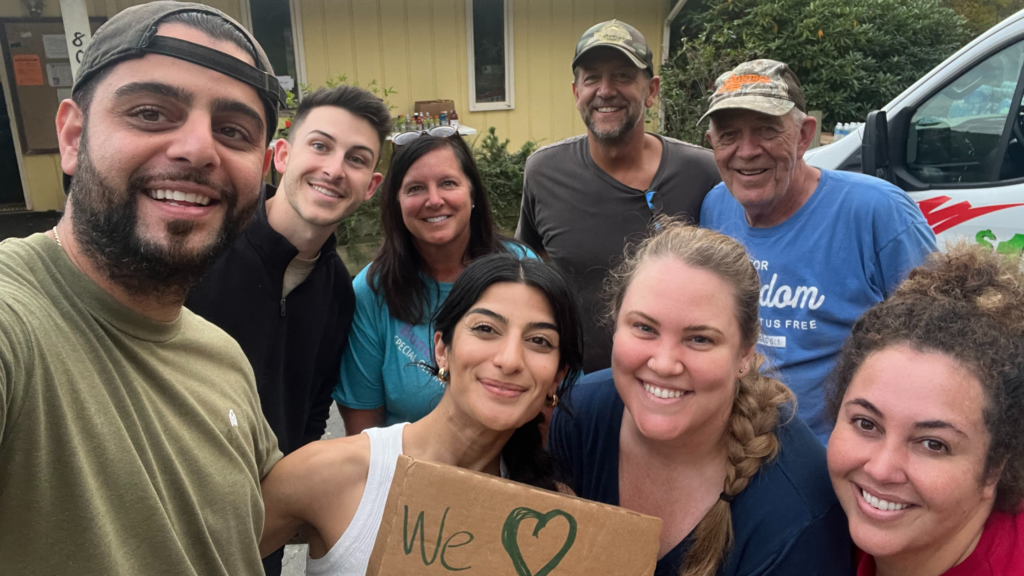
As we navigate the difficult aftermath of Hurricane Helene, we are reminded of the strength and compassion that unites us, not just as a company but as a community. The devastation that has impacted Western North Carolina has been profound, but the response from our team members has been nothing short of inspiring.  

At Aeroflow Health, we have always prided ourselves on fostering a culture of empathy, integrity, and unwavering support for our patients and partners. In these trying times, that commitment is being demonstrated daily by our incredible employees, many of whom are facing significant challenges in their personal lives. Despite power outages, water shortages, and disrupted living conditions, our team has shown resilience, ensuring that our patients continue to receive the vital medical supplies they depend on. 

Here’s a look into how Aeroflow Health is bringing #HopeAfterHelene our our employees, patients and community:

Our Employees 

Our employees are the heart of Aeroflow Health, and during this time of crisis, we wanted to make sure to support them just as they support our patients around the clock. In the aftermath of the storm, we were able to confirm that all 600 employees living in the Western North Carolina area were safe; however, 55 of them had lost their homes, cars, and food. Our teams have jumped to action to be able to meet the needs of these impacted employees. Here a few ways Aeroflow has sought to meet these needs:

  • Secured housing, food, and transportation at no cost for employees in affected areas, so no one has to worry about basic needs during this time.
  • Aeroflow-sponsored relief pay was offered to employees to alleviate the financial burden caused by the disaster.
  • Created an employee pantry stocked with essential resources, offering further relief to team members impacted by the storm.
  • Our remote employees stepped in to cover responsibilities for those who were unable to work, embodying our company’s commitment to teamwork and resilience.

Our Patients 

Our priority has always been to ensure that patients receive the care they need, no matter the circumstances. After Hurricane Helene, with the help of our warehouse crew working through the weekend, we rapidly restored our systems to continue providing essential medical supplies to those who depend on us. We also extended our support in the following ways:

  • Donations of incontinence products to Elevate Health and Swannanoa Valley Pelican Health and Rehab, facilities hit hard by the storm.
  • Delivery of incontinence products to hurricane victims in Ashe County, ensuring that essential care supplies reached those in dire need.
  • Manual breast pumps provided to community members affected by the disaster, ensuring new mothers could continue to care for their infants even amid the disruption.

Our Community 

While the recovery process is still underway, we are incredibly grateful for the hard work, determination, and sense of responsibility our team has displayed. Personal donations were made to the Asheville Police and Fairview Fire Department to support local first responders in need, some employees used ATV’s to deliver meals, and others led efforts to help secure and deliver insulin. There are countless stories that continue to stream in from our team, but here are a few we want to highlight:

Brianne Griffis, IBCLC, CLC, CD, CLSP, Bri Blackenbicker, RN, IBCLC, and several additional Aeroflow Breastpumps lactation providers, went above and beyond to support moms and babies in areas like Burnsville, Black Mountain, and Marshall, which were impacted by the storm. Whether traveling by horse, fire rescue, or on foot, they truly redefined the phrase “boots on the ground.” In partnership with the North Carolina Breastfeeding Coalition, they visited sites to organize feeding supplies, conducted breastfeeding consultations, provided rapid-response infant feeding assessments, and educated mothers on safe cleaning of bottles and supplies following CDC guidelines for disaster preparedness.

These dedicated providers made house calls, ran donor breast milk deliveries (essential in power outages since the milk is only good for 24 hours), and offered vital support through welfare checks, assessments, and consultations. Working tirelessly until 7 p.m. each night, they trekked back home, often not arriving until 10 or 11 p.m., only to do it all again the next day.

At Aeroflow, we teach that our goal is to honor a parent’s intuition while offering education and support throughout the parenting journey. Even in the face of adversity, without power, water, or internet, Brianne and the team remained committed to meeting families where they were—offering safe feeding solutions no matter the obstacles.

Brianne says, “Western North Carolina and this deployment has forever changed my life. The devastation and things I saw will not have any words, but I want to highlight the beauty that came out of this. Twin preemies were supported, a 38 week mama could get set up and take a sigh of relief, a 2 week old could be weighed and assessed, just to name a few, families could feel support and resources and safety with safe cleaning supplies. We changed lives. The way this community not only came together but welcomed me and came around for any need was beautiful.”

Asheville resident and Managed Care Associate, Neeka Alami jumped to action to help bring #HopeAfterHelene to her local community. In less than a couple days, she was able to raise $12,650 so far to help buy relief supplies that she and her partner delivered to Fairview, Swannanoa, Candler and other impacted towns! 

 Neeka says, “The paradox of grief, unity, and love has been profound. After visiting Swannanoa’s wreckage, we saw a rainbow emerge from the wiped out neighborhoods. That moment felt symbolic of our hope to rebuild something even more beautiful together.”

Kiera Walsh, a Charleston, South Carolina employee, knew she had to step up and support moms and babies in need after Hurricane Helene’s destruction. Through a partnership with #OperationWashBox—a relief effort specifically focused on helping moms safely feed their babies in the aftermath of a disaster, she was able to raise $1,065+ to help buy essential items like bottle brushes, wipes, bleach, dish soap, washcloths, and detailed instructions for safely sanitizing feeding supplies even when basic utilities aren’t available.

Kiera says, “I personally delivered these supplies to the Burnsville Fire Department and Lilac Birth Center. Getting boots on the ground was the only way to make sure these donations went directly into the hands of the moms and families who need them most. It’s been incredible to see the community rally together, but there’s still more work to be done.”

These stories are not exhaustive and our teams continue to do outstanding act after outstanding act. To read more about those efforts, click here.

Want To Help Support Western North Carolina?

At Aeroflow, we believe that the true measure of a company is found in how we respond in times of adversity, and our employees, community and patients have demonstrated an extraordinary capacity for empathy, resilience, and integrity. Casey Hite, CEO of Aeroflow Health said it well when he said, “Though the road ahead is long, we are confident that together, we will emerge stronger” in a recent interview with North Carolina Public Radio Station, WUNC

If you would like to partner with relief efforts in Western North Carolina, here are a few reputable organization to consider:

Thank you for your continued partnership and for standing with us as we support our team members and communities.

To read more #HopeAfterHelene stories and stay updated on Aeroflow’s response to Hurricane Helene, please follow our LinkedIn Company page.
Picture of Written by Joy Payne

Written by Joy Payne

Joy is the Senior Content Coordinator at Aeroflow Health. With over a decade of experience in bringing brand stories to life, Joy has a profound appreciation for the power of storytelling.

As a graduate of Western Carolina University with a bachelor's degree in English: Professional Writing, Joy has actively contributed to various publications, including Grit & Virtue, AdventHealth's Experience Magazine, and Thryve Mag. Through her work, she has demonstrated a keen eye for expressing unique perspectives that resonate with audiences and elevate brand voices.

In her free time, Joy enjoys driving along the Blue Ridge Parkway, writing songs, and discovering the best coffee spots in town. Her diverse experiences and commitment to shining a light on meaningful stories underscore her expertise in the field.

Written by Casey Hite, CEO at Aeroflow Health

Earlier this month, I was honored to have the opportunity to speak at and be among the sponsors of the Nourish & Nest event hosted by Haywood Street Community Development, a collaborative effort between Cúrate and Chai Pani, featuring Asheville’s renowned chefs Katie Button and Meherwan Irani. 

This fundraising event highlighted a cause that is very close to my heart, affordable housing. The money raised at this event will go towards a building project that will consist of 41 deeply affordable rental units in Buncombe County, North Carolina. It is expected to house at least 60 people, with sixteen units of two-bedroom and four units of three-bedroom apartments to best support struggling families.

The intent is to create an atmosphere that speaks of individual worth, to create homes, not just housing. Proper housing is what can make a crucial difference in a child’s ability to learn, have positive friendships, and develop into the best adults they can. 

A study by Asheville Buncombe Community Christian Ministry from April 2022 revealed that 184 women and children were on the housing waitlist. In 2020, Western North Carolina had more than 280,000 residents fall into one or more of the “special needs housing” categories. One of those categories is single parent households. These numbers call for action from local organizations and businesses like Aeroflow Health. We need to do our part to help our neighbors. Partnering with Haywood Street Community Development in promoting radical inclusion and providing deeply affordable housing is one way Aeroflow hopes to help transform these statistics. 

The project is a public-private-partnership with Buncombe County, the City of Asheville, and Dogwood HealthTrust. I personally want to thank James Beard Chef Katie Button of Cúrate, and James Beard Chef Meherwan Irani of Chai Pani as well as Burial Beer, East Fork, French Broad Chocolate, and Paddle Energy for also being a part of this fundraiser, which brought Haywood Street Community Development closer to its $1 million goal.

For more information, visit https://haywoodstreethousing.org/. There is no reason for homelessness in America and together, we can make a difference in ending it.

This content has been reviewed for accuracy by Mike Cantor, Chief Medical Advisor at Aeroflow Health.

Dive into our blog inspired by our webinar, “Breastfeeding & Health Equity Disparities: Innovative Strategies for Health Plan Providers,” to discover how you can play a pivotal role in fostering inclusive healthcare environments and ensuring every mother receives the support she deserves. For more comprehensive insights, don’t miss the chance to watch the webinar playback.

Table of Contents

What do lactation consultants and doulas do, and how do their roles differ? What does it look like to be an Aeroflow Health lactation consultant? 

Leteace: As a lactation consultant, we’re there to sometimes clarify breastfeeding goals with moms and give them the education and support that they need. We know that with breastfeeding, support is one of the most significant indicators of success and preparedness, so we try to give them a headstart for that and also let them know that we’re there to support them after the baby arrives. Currently, Aeroflow Breastpumps offers both group and 1:1 education sessions for moms. The group sessions seek to help further clarify knowledge on specific topics, and then 1:1 sessions are dedicated to meeting mothers where they are in an individualized format. This could look like helping write a birth plan or providing tailor-made tips and education based on mom’s needs. A recent Aeroflow Breastpumps study that found that 97% of moms who attended our classes felt more confident in their breastfeeding journey. 

Aleah: A doula is a non-medical person trained to assist families during childbirth and who might also support the family after the baby is born. Where doulas and lactation consultants differ is that not all doulas will have additional lactation-specific education and training. As far as doula certification, many doulas will take more breastfeeding classes to get basic knowledge but they may not get the full certification to attain the additional tools that help families be successful with breastfeeding initiation and to help with the duration of breastfeeding.

How do commercial insurance plans, typically employer-sponsored, differ from Medicaid programs in terms of providing these maternal health benefits?

Kiera: We’re seeing many differing coverages regarding policies for doulas and lactation consultants. In addition to what Aleah said, Aeroflow stands out when it comes to prenatal education. We help ensure that mom and dad or the parents feel prepared. We are seeing that we have to educate many health plans on the differences between doulas and lactation consultants. It can be easy to misunderstand the differences between the two. With commercial plans, we’re seeing a lot more coverage with doula services and lactation, which is wonderful, and we’re seeing a lot of Medicaid states break into that space as well. We are excited to see many policies really come to terms with the day and age of allowing telehealth services, which is wonderful as well.

As a physician who cares for mothers and babies and partners with Canopie, what opportunities do you see for health plans to better support their members with maternal mental health services, particularly about lactation?

Dr. Haggerty: There is definitely room for improvement in the lactation and mental health space. In my private practice, Fourth Trimester Doc, I focus on caring for dyads as a whole, so we see birthing people and newborns and serve them as a unit. We must identify that the health of the infant is reliant on the health of the birthing person and vice versa. Around the mental health space, I don’t see that health plans are providing the same level of coverage. Many people have cost-sharing requirements, out-of-pocket expenses or have trouble finding care with providers that are well-versed in perinatal education. This is definitely a barrier to care for folks.

Mental health is critical for breastfeeding or body-feeding success, especially when challenges arise. We see that lactation challenges and perinatal mental health disorders go hand in hand. When we have someone who has challenges with lactation, it’s almost inevitable that they will also have challenges with their mental health and vice versa. I actually use lactation challenges for diagnosing or deciding if there are mental health concerns that need to be addressed. For example, if someone has a huge freezer stash of breast milk that they keep storing, this is an indicator for me that there might be postpartum anxiety involved. This is just another reason why lactation and mental health go hand in hand and must be addressed in correlation to one another.

Recently, Aeroflow Health collaborated with Canopie, Florida Blue and GuideWell to better provide access to mental health services and reduce health disparities. Can you explain what we learned?

Ryan: It has been an interesting journey to partner with Canopie and Florida Blue. We’ve seen the evolution of the breastfeeding benefit that initially came about as a part of the Affordable Care Act and has slowly begun to change over the years. We’re starting to see the strides and elements coming together. The breast pump was one of the first items covered under the ACA for health plans and then breast pumps and supplies were introduced alongside the importance of access to clean parts to continue breastfeeding. Then came the introduction of lactation consulting and doulas, which has led to additional positive outcomes. Now, we’re seeing the opportunity to interweave mental health into the benefit. It was interesting in the Florida Blue pilot; we were able to reach many of their members who wouldn’t otherwise engage with their health benefits and then help them engage with maternal mental health resources through Canopie. We also were able to help Florida Blue identify members that were medium to high risk and needed extra support, and then Florida Blue was able to deploy their case management teams to better focus on those members who presented a need.

Based on a recent United States Lactation Consultant Association study, only 21% of IBCLCs identified as non-white. Why is this concerning, and what is a maternity care desert?

Leateace: Great question! Recently, March of Dimes released a report on maternity care deserts across the United States, speaking to how there is a lack of maternity care resources like hospitals, birth centers, and other locations where moms can get support during the perinatal period. Access is genuinely a concern. In terms of providers and diversity, it’s important because patients want to see themselves in their healthcare providers. While cultural humility is a big agenda item right now, it’s also vital to have culturally congruent care, where they feel like their provider is a safe space where they can share their concerns and worries and receive the support that’s specific to them. So, it’s important to try to increase the diversity in this profession. 

Aleah: One of the things we love to have, after our classes and consultations, specifically with Aeroflow, we have these surveys that patients can immediately fill out. It’s very helpful to get this feedback. For example, here’s one testimonial from a patient speaking about her experience with Leteace: “The Aeroflow classes have taught me a wide range of information that I did not get from taking classes for my first birth. Leteace consistently had great information to share with the classes I was in and was very knowledgeable about birth and breastfeeding, and I plan to work with her again if and when I schedule another appointment.” These moms are getting the care that they need and are very much coming back for seconds and thirds. They want this help and support via telehealth because they can’t sometimes get it in these maternity care deserts. Sometimes the people that we see in the classes are from small cities where there is 1 hospital and 1 lactation consultant or no consultant at all. Being able to provide that virtual space for these families is so helpful and they deserve to have it. 

When you think about the challenges we face in improving maternal health and the health of babies, what gives you hope, and what worries you?

Aleah: As far as what is giving me hope, we are making leaps and bounds on getting more access to these insurance companies that are allowing for more access and support. Part of the challenge that I feel like I have, especially as a person of color, is that we just need to find more avenues to get more people credentialed to be able to help more people because that ultimately affects the rates of differing ethnicities among providers. Leteace and I work so hard to do what we do to show others that it is possible to do what we do. I am hopeful that we are going to continue to make great strides in a positive direction.

Leteace: What gives me hope is that there are still people out there who need help; they never go away. If the hope goes away, then the help goes away. My mind tells me that I have to keep pushing through for these people; it’s not about me, it’s about the bigger goal. We see the maternal health rates in our country and see how people have suffered. On the positive side, we’ve seen more equity scholarships to make access to education easier for those wanting to provide maternal support. We are seeing more baby steps taken towards telehealth, and there’s always hope that these steps become a little bit bigger. Holding onto hope for ourselves is important. We see that what we’re doing is making a difference, whether in the surveys we receive or the face-to-face meetings, and it encourages us to keep moving forward. 

Michelle: Hope for me is seeing that so many companies are being so innovative and addressing these issues by connecting and coming together to find solutions. Personally, what keeps me up at night is that I want to move toward an insurance model or coverage that provides holistic dyad care. I think that siloing patients out from each other doesn’t make sense and doesn’t work. This coverage would include lactation, mental health, physical recovery, and newborn care, all of which would be covered by insurance. This model addresses the fact that people need support during this transition time and it’s not just individual things that people need to meet their deductible for and have cost-sharing for; let’s do it as a whole and provide this coverage as a whole unit.

Kiera: What’s really great is Aeroflow is really meant to be that partner for that continuity of care. We’re here to provide care to moms from the moment they find out they are pregnant all the way through postpartum.  We’ve made some major strides since this time last year. We’re partnering with Virginia Medicaid, Tennessee Medicaid, and Georgia Medicaid, so the coverage of lactation and doula services are definitely expanding. We really are seeing health plans view the Affordable Care Act as the floor and not the ceiling. We’re seeing health plans truly align their policies, as far as maximum benefits with the affordable care act to be that continuation throughout the duration of breastfeeding. For example, if parents want to attend classes prenatally and then all the way into postpartum until their child is 2 years old, limiting class coverage to 3 or 6 classes, this is truly not the duration of breastfeeding without cost-sharing because at some point they will most likely have to tap into deductibles or involve copays if they meet that maximum benefit. So, we are really seeing a lot of health plans correlate their policies along with the true meaning of the Affordable Care Act. It’s really great to see these policies expanding into the Medicaid space as well as further flourishing in the commercial space. We’re seeing a lot more coverage with the group classes. Health plans and stakeholders are seeing the true benefits as well as the value of telehealth. Meeting parents where they are is crucial. We want to be that partner to lift any barriers. We’re finding studies that show telehealth is as effective, if not more effective than in-person care.

Are you looking to stay updated with health plan insights just like the ones covered above? We’d love to extend the invite to subscribe to our email communications. To subscribe to Aeroflow Health’s email communications, please click the button below
Picture of Michael Cantor, M.D.

Michael Cantor, M.D.

Dr. Mike Cantor is a geriatrician and attorney who has extensive experience designing and implementing value-based care, quality improvement, and care management programs for healthcare providers and health plans. He works as a fractional (part-time) Chief Medical Advisor for Aeroflow Healthcare, Uber Health, and other technology-enabled health services companies, value-based care organizations and digital health companies. Previous roles include: CMO for Bright Health Plan, an innovative health
insurer; CMO for CareCentrix, a leading outsourced home health, durable medical equipment, and post- acute care benefits manager recently acquired by Walgreens; and CMO for the New England Quality Care Alliance (NEQCA), the physician network affiliated with Tufts Medical Center, where he implemented network-wide quality improvement and care management programs for 150,000 managed care lives. He trained in internal medicine at Beth Israel Hospital in Boston and did his geriatrics fellowship at Harvard Medical School. He has degrees in law and medicine from the University of Illinois.

Picture of Ryan Bullock

Ryan Bullock

Ryan serves as Chief Strategy Officer at Aeroflow Health, a premier nationwide provider of durable medical equipment. In his current position, Ryan oversees strategic operations, corporate development and government relations. For over 14 years, Ryan has provided exceptional leadership, management and vision to Aeroflow, resulting in incredible growth and profitability for the company. Ryan holds a Bachelors of Science degree in Electronic Engineering from Western Carolina University and resides with his family in the beautiful mountains of Asheville, North Carolina.

Picture of Kierra Walsh

Kierra Walsh

Kiera Walsh is a dedicated Managed Care Associate at Aeroflow Health, specializing in coordinating contracting and credentialing efforts for the lactation division. In her role, Kiera effectively communicates with health plans to ensure seamless integration and compliance, enhancing the efficiency and quality of lactation services provided.

With a background in doula services and midwifery, Kiera brings a unique perspective to her position, informing her meticulous approach to managed care. Her responsibilities include negotiating contracts, managing credentialing processes, and fostering strong relationships with health plans, all aimed at optimizing operational workflows and service delivery.

Kiera is passionate about supporting preventative maternal care and breastfeeding support, driving her commitment to excellence in her role. Her work ensures that mothers receive the highest quality care and support throughout their breastfeeding journey.

Picture of Dr. Michelle Haggerty, DO, MPH, ABOIM, NABBLM-C, IBCLC, PMH-C, RYT-200

Dr. Michelle Haggerty, DO, MPH, ABOIM, NABBLM-C, IBCLC, PMH-C, RYT-200

Michelle Haggerty, DO, MPH, ABOIM, NABBLM-C, PHM-C is an innovator, adventurer, and advocate. She is a mom to 3 young boys and two angel babies. Dr. Haggerty is an integrative family physician and lactation medicine specialist who is passionate about revolutionizing postpartum care so that people have the tools and resources they need to confidently navigate the 4th trimester. She has a private practice providing in-home medical care to dyads during the 4th trimester and beyond called Fourth Trimester Doc (www.fourthtrimesterdoc.com), is co-executive director of the nonprofit Center for 4th Trimester Care (www.c4tc.co) providing professional support for healthcare professionals working with families postpartum, and also provides coaching services for postpartum folks nationally. She is consistently recognized as a Top Doctor in various publications.

Picture of Aleah Walker, IBCLC, CD (DTI) - Lactation Manager & Birth Team Captain, Aeroflow Breastpumps

Aleah Walker, IBCLC, CD (DTI) - Lactation Manager & Birth Team Captain, Aeroflow Breastpumps

Aleah Walker is a Lactation Consultant, Nutritionist and a Certified Labor and Postpartum Doula. She has worked for Aeroflow since November 2020. She has been married for 17 years and is a mother to 2 precious kiddos. Aleah started her career at her local WIC office as a Nutritionist right out of college in 2008. Moving up the ranks to a Nutrition Manager, Aleah found a passion for the Breastfeeding Peer Counselor program while working at WIC and made a lateral move to working with that program. After the birth of her first child, Aleah felt the urge to become a doula as she utilized doula support for her birth. With her certification, she started her own private practice supporting families in her community as a doula and lactation consultant. After almost 12 years at WIC, Aleah ventured to a new atmosphere obtaining a job as a Lactation Consultant in a hospital. Then during the pandemic, Aleah was approached with the opportunity to continue pursuing her passion and providing Lactation care and support to families across the nation through an up-and-coming virtual platform with Aeroflow and the rest is history!

Picture of Leteace Lee, RNC, IBCLC - Aeroflow Breastpumps

Leteace Lee, RNC, IBCLC - Aeroflow Breastpumps

Leteace Lee is a Certified Registered Nurse with expertise in Maternal and Newborn Care, Perinatal Mental Health, and as an International Board Certified Lactation Consultant (IBCLC). She serves as a Lactation Consultant and Educator with Aeroflow Breastpumps. As a Holistic Mother-Baby Advocate, Leteace focuses on providing comprehensive support in breastfeeding as well as education in prenatal, birth, and postpartum care. Based in Maryland, she offers local in-person consults and virtual lactation consultations to women throughout the country.

References

2020 United States Lactation Consultant Association 197 Clinical Lactation, 2020, 11(4), http://dx.doi.org/10.1891/CLINLACT-D-20-00023

MarchofDimes. (2023, December). Maternity Care Desert. March of Dimes | PeriStats. https://www.marchofdimes.org/peristats/data?top=23

Written by Jennifer Jordan, Vice President of the Mom & Baby Division at Aeroflow Health

August is National Breastfeeding Month, and while breast pumps play a significant role in our business at Aeroflow Health, our commitment goes beyond just products. We are deeply invested in making breastfeeding supplies, support and education accessible for new and expectant mothers, rooted in our core values of putting patients and healthcare first.

Today, breastfeeding mothers returning to work can expect their employers to provide break time and a private place to pump — a right that was once overlooked and challenging to secure, but is now protected by the Break Time and PUMP for Nursing Mother’s Act.

Not every mother chooses or is able to breastfeed, and every woman should have the freedom to make the decision that is best for her and her family. However, it can be frustrating that myths around breastfeeding still persist in our culture. Despite advances in medicine, access to mental health resources and a growing understanding of its importance, many women still feel intimidated or judged, leading some  to end their breastfeeding journey when returning to work even though they have protections under the law. 

In the United States, breastfeeding rates are lower than in other advanced nations, with the lowest rates among women of color and those in lower income brackets. Women in lower-paying jobs often face greater challenges when it comes to pumping breast milk at work—despite legal mandates requiring employers to provide time and space for this essential need.

Another deterrent is cost. Pumps are expensive – and while the Affordable Care Act mandates that insurance cover pumps, the type of pump may vary, leaving women with options that make it more difficult. 

Aeroflow Health is determined to support mothers in reaching their breastfeeding goals by providing education, supplies and resources. We believe strongly that it is incumbent upon the healthcare industry to do our part in helping mothers navigate what is too often a joyful but stressful time. Under the leadership of our CEO Casey Hite, we are committed to helping women navigate the complexities of insurance and arming them with facts about the benefits of breastfeeding and the laws that protect their right to pump breastmilk at work. 

It doesn’t take much to lift someone’s spirits and show them they have support—even if we don’t personally know the millions of families we aim to help. New moms face countless challenges, and the day they return to work can be one of the most stressful. A little encouragement and understanding can make all the difference.

This National Breastfeeding Month, let’s offer women encouragement and support. Raising a family is not easy. Making it easier for them to give their babies a healthy start helps us all. 

To learn more about how Aeroflow Health can help moms navigate breastfeeding and insurance, schedule time with our team
Picture of Vice President of the Mom & Baby Division at Aeroflow Health

Vice President of the Mom & Baby Division at Aeroflow Health

Jennifer Jordan serves as the Vice President of the Mom & Baby Division at Aeroflow Health. With a passion for building brands and shaping strategic visions, Jenn has propelled Aeroflow Breastpumps to new heights in the competitive healthcare market. Leveraging her extensive experience in marketing, customer experience, sales and operations management, she has overseen the expansion of Aeroflow Breastpumps’ reach, forging key partnerships and driving growth in the maternal health space.

2020 United States Lactation Consultant Association 197 Clinical Lactation, 2020, 11(4), http://dx.doi.org/10.1891/CLINLACT-D-20-00023

Centers for Disease Control and Prevention. (2024, July 31). About Breastfeeding. Centers for Disease Control and Prevention. https://www.cdc.gov/breastfeeding/php/about/index.html#cdc_program_profile_how_it-breastfeeding-statistics 

This content has been reviewed for accuracy by Ashley Haynes, Director of Customer Operations at Aeroflow Health

Artificial intelligence (AI) has gone from a buzzword to a revolutionary tool that has the potential to take healthcare beyond what we thought could be possible in our day. With the opportunity to enhance diagnostics, personalize treatment plans and improve patient care more quickly and efficiently than ever before, Aeroflow Health hopes to leverage this technological advancement as a tool to better serve our teams and the patients we care for, enhancing human capabilities rather than replacing them. According to Jason Wille, Chief Technology Officer at Aeroflow Health, “AI represents a significant step forward in our journey to enhance patient care, giving our teams the insights and tools they need to make faster, smarter decisions that benefit those we serve.”

The Challenge

Rapid company growth creates higher call volumes, handle times and inconsistencies in note taking. Seeking to remain competitive, we sought out a solution from our phone platform, Five9, that had the potential to highly improve efficiency among teams.

The Solution: Embracing AI with Five9 Intelligent CX Platform

Aeroflow Health is committed to responsible AI use that benefits all patients. When building out AI-powered features within Five9, we prioritize ensuring that patients who prefer human interaction have easy access to representatives.

By taking an omnichannel strategy approach, Aeroflow was able to significantly reduce call volume and better meet patients where they are. According to Ashley Haynes, Director of Customer Operations, “Connecting with patients to assist them is key to our mission success. We meet our patients where they are and want them to connect to us in the way they prefer so they can have an optimal experience. The ability to completely customize our IVR with this platform sold us.”

Key components of the implementation included:

  • Five9 Voice, Chat, and Email: Enabling omnichannel communication to meet patients where they prefer.
  • Five9 Intelligent Virtual Agent (IVA): Automating routine inquiries and reducing call volume.
  • Five9 Agent Assist: Improving agent efficiency through automated transcriptions and call summaries.

Results and Impact

The integration of AI-powered solutions has yielded significant benefits for Aeroflow Health:

  • Reduced Call Volume: The implementation of Five9 IVA has led to a 10-15% reduction in call volume by automating common inquiries such as order status and insurance guidelines.
  • Enhanced Agent Productivity: Five9 Agent Assist has streamlined agent workflows by automating transcriptions and generating comprehensive call summaries.
  • Improved Patient Experience: By offering multiple communication channels and providing quick, accurate information, Aeroflow has enhanced patient satisfaction.
  • Data-Driven Insights: The platform’s robust reporting capabilities provide valuable data for optimizing operations and improving customer interactions.

The Future of AI at Aeroflow Health

Aeroflow Health is committed to leveraging AI to further enhance patient care and operational efficiency. The company plans to expand the use of IVAs to additional business units and continue exploring new AI-driven solutions to stay at the forefront of the healthcare industry.

By embracing AI, Aeroflow Health has demonstrated its dedication to providing exceptional patient care while optimizing its operations.

To learn more about Aeroflow Health’s innovative approaches and stay tuned for future updates, subscribe to our communications below
Picture of Written by Joy Payne

Written by Joy Payne

Joy is the Senior Content Coordinator at Aeroflow Health. With over a decade of experience in bringing brand stories to life, Joy has a profound appreciation for the power of storytelling.

As a graduate of Western Carolina University with a bachelor's degree in English: Professional Writing, Joy has actively contributed to various publications, including Grit & Virtue, AdventHealth's Experience Magazine, and Thryve Mag. Through her work, she has demonstrated a keen eye for expressing unique perspectives that resonate with audiences and elevate brand voices.

In her free time, Joy enjoys driving along the Blue Ridge Parkway, writing songs, and discovering the best coffee spots in town. Her diverse experiences and commitment to shining a light on meaningful stories underscore her expertise in the field.

This content has been reviewed for accuracy by Amanda Minimi, Director of Corporate Development for Aeroflow Health.

The terms “ghost networks” or “phantom networks” emerged during discussions of mental health parity at the start of COVID-19. Coined by Mike Evans, partner at K&L Gates and former Senate Finance Committee official, these terms captured the frustration of patients encountering inaccurate provider directories. What began as a mental health-specific issue has since broadened to acknowledge the wider problem of outdated directories and the need for regulatory action.

According to Yale Law & Policy Review, between 45% and 52% of provider directory listings had errors, with some individual plans having error rates as high as 98%. While it may seem straightforward that having providers who are no longer licensed or practicing in their field or unable to take on new patients is a problem, ghost networks can extend beyond that. Sometimes, directories are too broad and can overwhelm patients with options that do not actually provide the specific type of care they need. Additionally, some provider categories, such as lactation providers or language specifications, may be missing from the directory altogether. In short, there are many optimizations that need to be done in order to meet the needs of patients.

Ways To Improve Directories

Improving directories can be achieved by taking a holistic approach to a patient’s healthcare journey. By considering all of the possible points and barriers in the care continuum, we are able to ensure directories are user-friendly and that patients can easily find the information they need to make the informed decisions about their care. Improving provider directories is critical to ensure patients have access to the care they need when they need it. In order to do so, we should:

  • Increase transparency: Health plans and all providers should provide clear and concise information to patients about the providers in their network, including their contact information, office hours, and specialties. Health plans should also provide real-time updates, inclusive of product and services specific information, to their provider directories to ensure they are accurate and up-to-date.
  • Improve provider data collection: Health plans should improve their provider data collection processes to ensure they are collecting accurate and complete information about their network providers, including their availability and acceptance of new patients. This can be achieved through the use of automation and standardized data collection forms.
  • Improve network contracting: Networks should not be reviewed by the provider type but should be reviewed by the product category or specialty. This review can be completed by holding network teams accountable through taxonomy code reporting. This can also help health plans better identify the types of providers they need to add to their network to meet patient needs.
  • Deeply understand the patient journey: Patients should be encouraged to provide systematic feedback on their experiences with healthcare providers. Understanding how patients both initiate and continue their care allows us to design richer processes that help them coordinate the best courses of action. This feedback not only improves the accuracy of provider directories but also ensures they are designed with patients’ needs in mind. By engaging patients in this way, we can make it easier for them to find the appropriate care, ultimately enhancing their overall healthcare experience.
  • Increase collaboration: Health plans, providers, and regulatory agencies should collaborate to improve the accuracy of provider directories. This can include sharing best practices, developing standards for data collection and reporting, and working together to develop innovative solutions to improve provider directories.

How Aeroflow’s Integrated Approach Provides A Solution

Since 2001, Aeroflow Health has been working closely with their health plan partners to collaborate and improve the communication and engagement between patients and their health insurance providers. Through an integrated care model, Aeroflow streamlines the patient care journey, seamlessly weaving in complementary benefits that patients often seek, thus eliminating confusion and fragmentation in their care.
Aeroflow’s integrated approach combines personalized patient care with a robust network of healthcare services and benefits. By coordinating with health plan partners, Aeroflow ensures that patients receive comprehensive support, from initial consultations to follow-up care, and access to additional services like medical equipment, home health solutions, and wellness programs. This holistic approach not only improves patient outcomes but also enhances overall satisfaction.

Aeroflow’s integrated care model aids in the ghost network frustrations by seamlessly displaying all services and providers that are in-network with various insurance plans, often down to the employer-group level. Patients can easily access benefits through their in-network providers, eliminating the frustration of encountering ghost networks. Additionally, Aeroflow maintains an active directory of providers who are currently accepting patients and available through their insurance. By keeping this directory up-to-date and transparent, Aeroflow guarantees that patients receive care from active, verified providers, enhancing both accessibility and trust in the healthcare system. By eliminating ghost networks and clearly communicating benefits, Aeroflow significantly improves patient satisfaction and health outcomes. Our dedication to patient-centered care and innovation, coupled with our seamless integration of additional benefits, distinguishes us as a trusted partner in healthcare, setting us apart from other DME providers in the market.

Provider directories are essential for ensuring that patients have access to quality healthcare services. The existence of ghost networks and other inaccuracies in provider directories can lead to significant problems for patients, including delayed treatment, frustration, and potentially negative health outcomes. While there are already laws and regulations in place to ensure the accuracy of provider directories, there is still much work to be done to improve the patient experience and address the shortcomings of current systems. This will require a collaborative effort between healthcare providers, insurance companies, and policymakers to find comprehensive solutions that prioritize patient engagement, enforce subspecialties, and prioritize accuracy and timeliness in updating provider directories. By addressing these challenges, we can help ensure that patients have access to the care they need and deserve.

To learn more about how Aeroflow Health is partnering with health plans to eradicate Ghost Networks through an integrated approach, schedule time with our team here.
Picture of Written by Joy Payne

Written by Joy Payne

Joy is the Senior Content Coordinator at Aeroflow Health. With over a decade of experience in bringing brand stories to life, Joy has a profound appreciation for the power of storytelling.

As a graduate of Western Carolina University with a bachelor's degree in English: Professional Writing, Joy has actively contributed to various publications, including Grit & Virtue, AdventHealth's Experience Magazine, and Thryve Mag. Through her work, she has demonstrated a keen eye for expressing unique perspectives that resonate with audiences and elevate brand voices.

In her free time, Joy enjoys driving along the Blue Ridge Parkway, writing songs, and discovering the best coffee spots in town. Her diverse experiences and commitment to shining a light on meaningful stories underscore her expertise in the field.
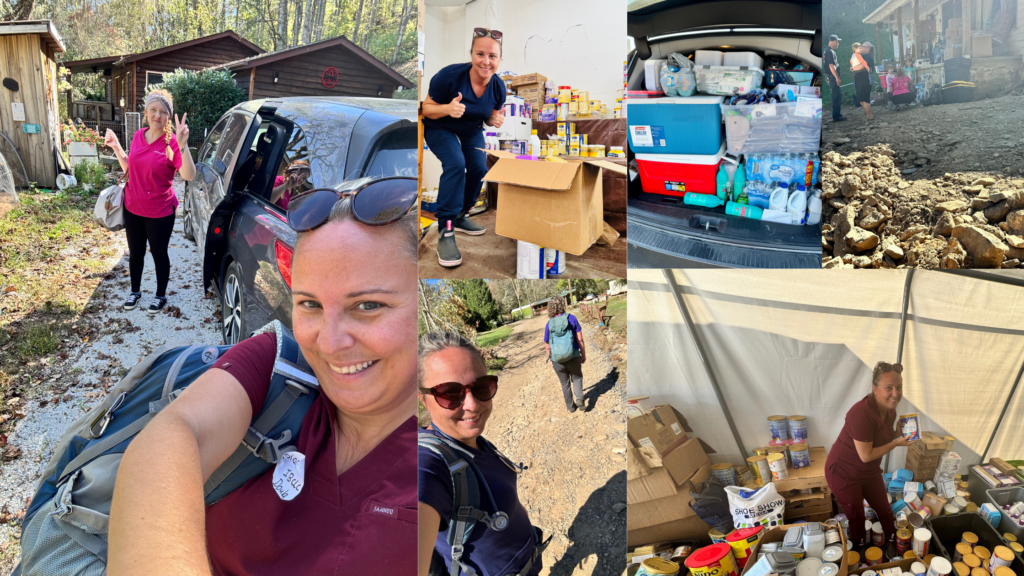
References

Burman, A. (n.d.). Laying ghost networks to rest: Combatting deceptive health plan provider directories. Yale Law & Policy Review. https://yalelawandpolicy.org/laying-ghost-networks-rest-combatting-deceptive-health-plan-provider-directories